
 Eye Exams
 Eye Emergencies
 Locate Us
What Treatments & Lifestyle Changes Help With Managing Glaucoma?
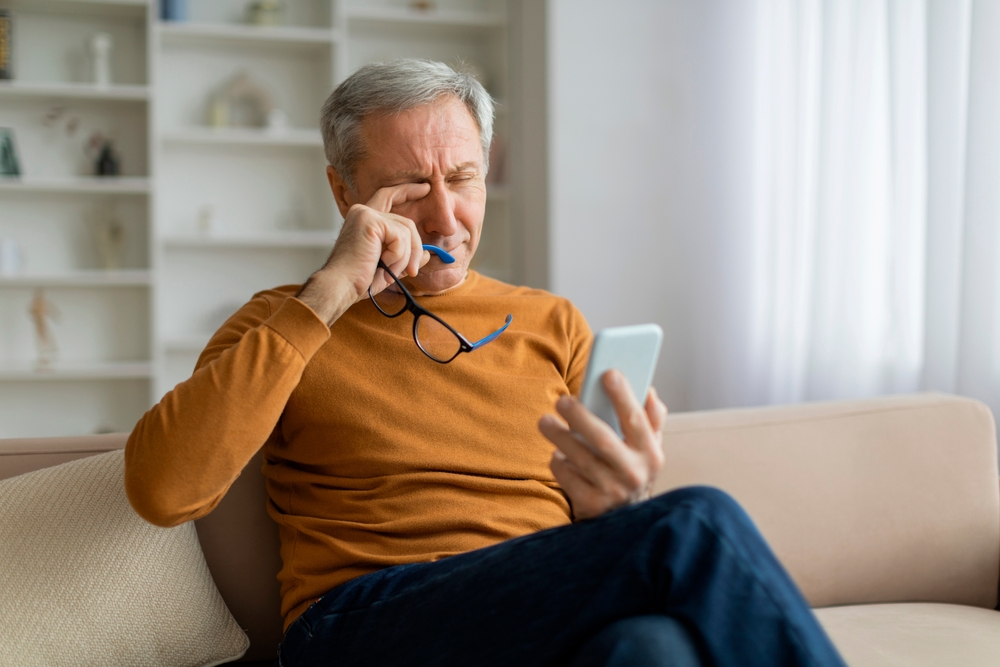
What Treatments & Lifestyle Changes Help With Managing Glaucoma?
vision loss if left untreated. While glaucoma cannot be cured, early diagnosis and proper management can significantly slow its progression and help preserve vision. Managing glaucoma often involves a combination of medical treatment, ongoing monitoring, and healthy lifestyle habits.
Understanding Glaucoma Management
Glaucoma is commonly associated with increased intraocular pressure (IOP), which can damage the optic nerve over time. The primary goal of glaucoma treatment is to lower eye pressure and prevent further vision loss. Because symptoms often develop slowly and without pain, regular eye exams are essential for early detection and ongoing management.
Prescription Eye Drops
Eye drops are the most common first-line treatment for glaucoma. These medications work by either reducing the amount of fluid produced in the eye or improving fluid drainage. Consistent use is critical, as missed doses can allow eye pressure to rise.
Oral Medications
In some cases, oral medications may be prescribed alongside eye drops to further reduce eye pressure. These are typically used short-term or when eye drops alone are not sufficient.
Laser Therapy
Laser treatments can help improve fluid drainage within the eye. This option is often recommended when medications are not effectively controlling eye pressure or if patients experience difficulty using eye drops consistently.
Surgical Options
For advanced or hard-to-control glaucoma, surgery may be recommended to create new drainage pathways or reduce fluid production. Surgical options are typically considered when other treatments have not provided adequate results.
Lifestyle Changes That Support Glaucoma Management
While medical treatment is essential, lifestyle habits can play a supportive role in managing glaucoma and overall eye health.
Maintain Regular Eye Exams: Routine eye exams are one of the most important steps in managing glaucoma. These visits allow your eye doctor to monitor eye pressure, optic nerve health, and visual field changes over time.
Eat a Balanced, Eye-Healthy Diet: A diet rich in leafy greens, fruits, whole grains, and lean proteins supports overall eye health. Nutrients such as antioxidants, vitamins A, C, and E, and omega-3 fatty acids may help protect the optic nerve.
Manage Stress Levels: Chronic stress can affect blood pressure and circulation, which may impact eye health. Stress-reduction techniques such as deep breathing, meditation, or gentle yoga can be beneficial.
Follow Medication Instructions Carefully: Taking glaucoma medications exactly as prescribed is essential. Skipping doses or stopping treatment without guidance can cause eye pressure to rise quickly, increasing the risk of vision loss.
Avoid Smoking: Smoking can impair blood flow and increase oxidative stress, both of which may negatively affect the optic nerve. Quitting smoking supports overall health and may benefit glaucoma management.
The Importance of Personalized Care
Glaucoma management is not one-size-fits-all. Treatment plans are tailored based on the type of glaucoma, severity, eye pressure levels, and individual health factors. Working closely with your eye doctor ensures your treatment approach evolves as your needs change.
Protect Your Vision With Ongoing Glaucoma Care
Managing glaucoma requires a proactive, long-term approach that combines effective medical treatment with healthy lifestyle choices. With early detection, consistent care, and regular monitoring, many patients are able to slow disease progression and protect their vision for years to come.
If you have glaucoma or are at risk, contact Texas State Optical Buda to schedule an eye exam and start your personalized glaucoma management plan. Visit our office in Buda, Texas, or call (512) 991-8656 to book an appointment today.
Quick Links
Helpful Articles
article_category: products
article_category: psychiatry
article_category: faqs
article_category: cats
article_category: general
article_category: services
article_category: technology
article_category: dogs
article_category: restorative
article_category: vision therapy
article_category: contact lenses
article_category: health
article_category: conditions
article_category: eye surgery co-management
article_category: exotic
article_category: cosmetic
article_category: surgical procedures
article_category: aesthetics
article_category: preventative
article_category: ocular disease management
article_category: eyeglasses
article_category: eye health
article_category: large animal
[]
article_category: psychiatry
article_category: faqs
article_category: cats
article_category: general
article_category: services
article_category: technology
article_category: dogs
article_category: restorative
article_category: vision therapy
article_category: contact lenses
article_category: health
article_category: conditions
article_category: eye surgery co-management
article_category: exotic
article_category: cosmetic
article_category: surgical procedures
article_category: aesthetics
article_category: preventative
article_category: ocular disease management
article_category: eyeglasses
article_category: eye health
article_category: large animal
[]
Flowbite is an open-source library of interactive components built on top of Tailwind CSS including buttons, dropdowns, modals, navbars, and more.
Check out this guide to learn how to get started and start developing websites even faster with components on top of Tailwind CSS.

All Eyecare Services
We offer a wide variety of eye care services to the Buda community. Contact us with any questions about our services.

Keep In Touch
For non-urgent questions or to learn more about our services, contact us today!

© 2026 Texas State Optical. All rights Reserved. Accessibility Statement. Privacy Policy. Sitemap
Powered by 