
 Eye Exams
 Eye Emergencies
 Locate Us
How Atropine Eye Drops Slow Myopia Progression
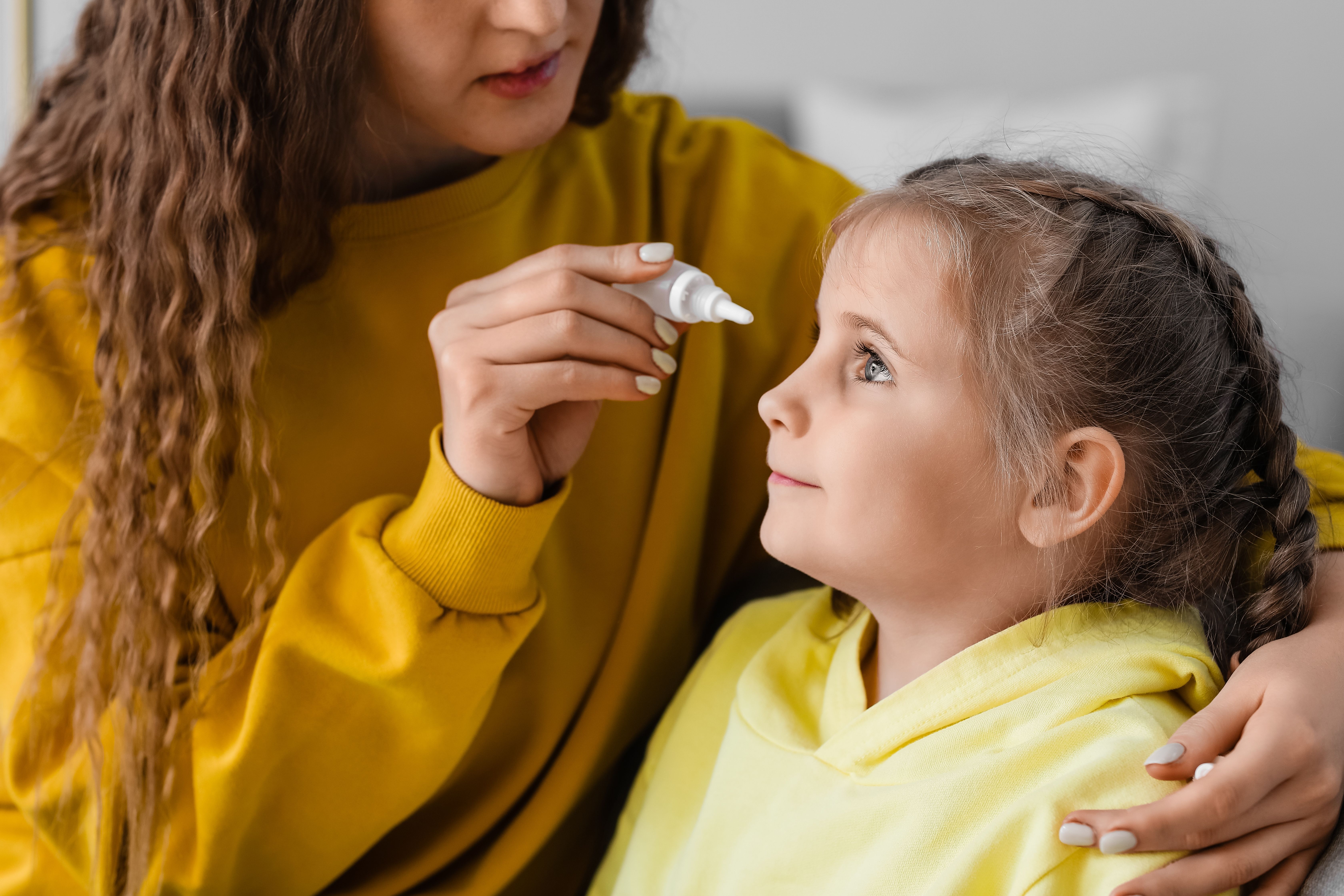
How Atropine Eye Drops Slow Myopia Progression
Myopia, commonly known as nearsightedness, has become increasingly common among children and teenagers. Kids with myopia can see objects up close clearly, but distant objects appear blurry. While glasses and contact lenses can correct vision, they do not address the underlying progression of myopia. As myopia worsens over time, it can increase the risk of serious eye conditions later in life.
Fortunately, modern eye care offers solutions designed not just to correct vision, but to help slow the progression of myopia. One of the most effective options available today is low-dose atropine eye drops.
Understanding Myopia Progression
Myopia typically develops during childhood and can worsen as a child grows. The condition occurs when the eye grows too long from front to back, causing light entering the eye to focus in front of the retina rather than directly on it.
As the eye continues to elongate, myopia becomes stronger. Higher levels of myopia are associated with an increased risk of long-term eye health issues, including retinal detachment, glaucoma, macular degeneration, and myopic maculopathy.
Because the eyes are still developing during childhood, this is the most important time to manage and slow myopia progression.
What Are Atropine Eye Drops?
Atropine eye drops are a medicated treatment used in low concentrations to help slow the worsening of myopia in children. Originally used in higher doses for other eye conditions, research has shown that very low doses of atropine can significantly reduce the rate at which myopia progresses.
Low-dose atropine is typically administered once per day, usually at bedtime. The treatment works alongside glasses or contact lenses to help manage both vision clarity and the underlying progression of nearsightedness.
How Atropine Helps Slow Myopia
Atropine eye drops help slow myopia progression by relaxing the muscles inside the eye that control how the lens focuses. When these muscles are less active, the signals that contribute to excessive eye growth are reduced. This helps limit the elongation of the eyeball, which is the main cause of worsening nearsightedness.
For myopia management, atropine is typically prescribed in very low concentrations, usually between 0.01% and 0.05%. These low doses have been shown to effectively slow myopia progression while minimizing side effects such as light sensitivity or difficulty focusing up close.
Benefits of Low-Dose Atropine Treatment
Low-dose atropine has become a popular myopia management option because it offers several advantages.
First, it is easy to use. Most children only need one drop in each eye before bedtime. This simple routine can easily fit into a family's daily schedule.
Second, low-dose atropine generally has minimal side effects. Because the dosage is much lower than traditional atropine treatments, most children experience little to no light sensitivity or difficulty focusing up close.
Third, atropine can be used alongside other vision correction methods. Children can still wear glasses or contact lenses while receiving treatment to control myopia progression.
Who Is a Good Candidate for Atropine Drops?
Atropine eye drops are most often recommended for children whose myopia is progressing quickly. Eye doctors typically monitor changes in a child’s prescription over time to determine whether myopia management treatment may be beneficial.
Children between the ages of about 5 and 15 are often the best candidates, as this is when the eyes are growing most rapidly.
During a comprehensive eye exam, your eye doctor will evaluate your child’s vision, eye growth, and overall eye health before recommending a treatment plan tailored to their needs.
The Importance of Early Myopia Management
Managing myopia early can make a significant difference in long-term eye health. The goal of treatments like atropine is not just to improve vision today, but to help protect the eyes from future complications.
Slowing myopia progression can reduce the likelihood of developing high myopia, which is linked to a higher risk of retinal damage and other serious conditions later in life.
Routine eye exams allow doctors to monitor changes and recommend proactive treatment options when needed.
Take Control of Your Child’s Myopia Today
Myopia is more than just blurry distance vision. When left unmanaged, it can continue to worsen throughout childhood and increase the risk of serious eye conditions in adulthood. Low-dose atropine eye drops provide a safe and effective option for slowing myopia progression by helping regulate eye growth.
If your child’s nearsightedness has been increasing each year, schedule a comprehensive eye exam with Texas State Optical. Visit our office in Buda, Texas, or call (512) 991-8656 to book an appointment today.
Quick Links
Helpful Articles
article_category: products
article_category: psychiatry
article_category: faqs
article_category: cats
article_category: general
article_category: services
article_category: technology
article_category: dogs
article_category: restorative
article_category: vision therapy
article_category: contact lenses
article_category: health
article_category: conditions
article_category: eye surgery co-management
article_category: exotic
article_category: cosmetic
article_category: surgical procedures
article_category: aesthetics
article_category: preventative
article_category: ocular disease management
article_category: eyeglasses
article_category: eye health
article_category: large animal
[]
article_category: psychiatry
article_category: faqs
article_category: cats
article_category: general
article_category: services
article_category: technology
article_category: dogs
article_category: restorative
article_category: vision therapy
article_category: contact lenses
article_category: health
article_category: conditions
article_category: eye surgery co-management
article_category: exotic
article_category: cosmetic
article_category: surgical procedures
article_category: aesthetics
article_category: preventative
article_category: ocular disease management
article_category: eyeglasses
article_category: eye health
article_category: large animal
[]
Flowbite is an open-source library of interactive components built on top of Tailwind CSS including buttons, dropdowns, modals, navbars, and more.
Check out this guide to learn how to get started and start developing websites even faster with components on top of Tailwind CSS.

All Eyecare Services
We offer a wide variety of eye care services to the Buda community. Contact us with any questions about our services.

Keep In Touch
For non-urgent questions or to learn more about our services, contact us today!

© 2026 Texas State Optical. All rights Reserved. Accessibility Statement. Privacy Policy. Sitemap
Powered by 